Grace Jones, James Bond, and the Iconic Black Leotard Era
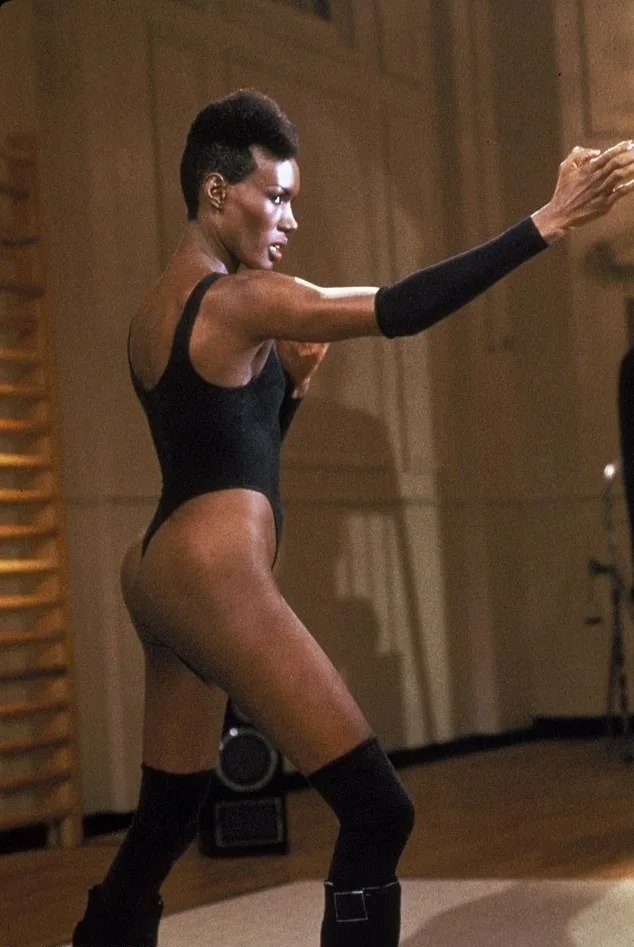
Grace Jones, In "A View to Kill" James Bond Film, in Dancefrance Black Leotard
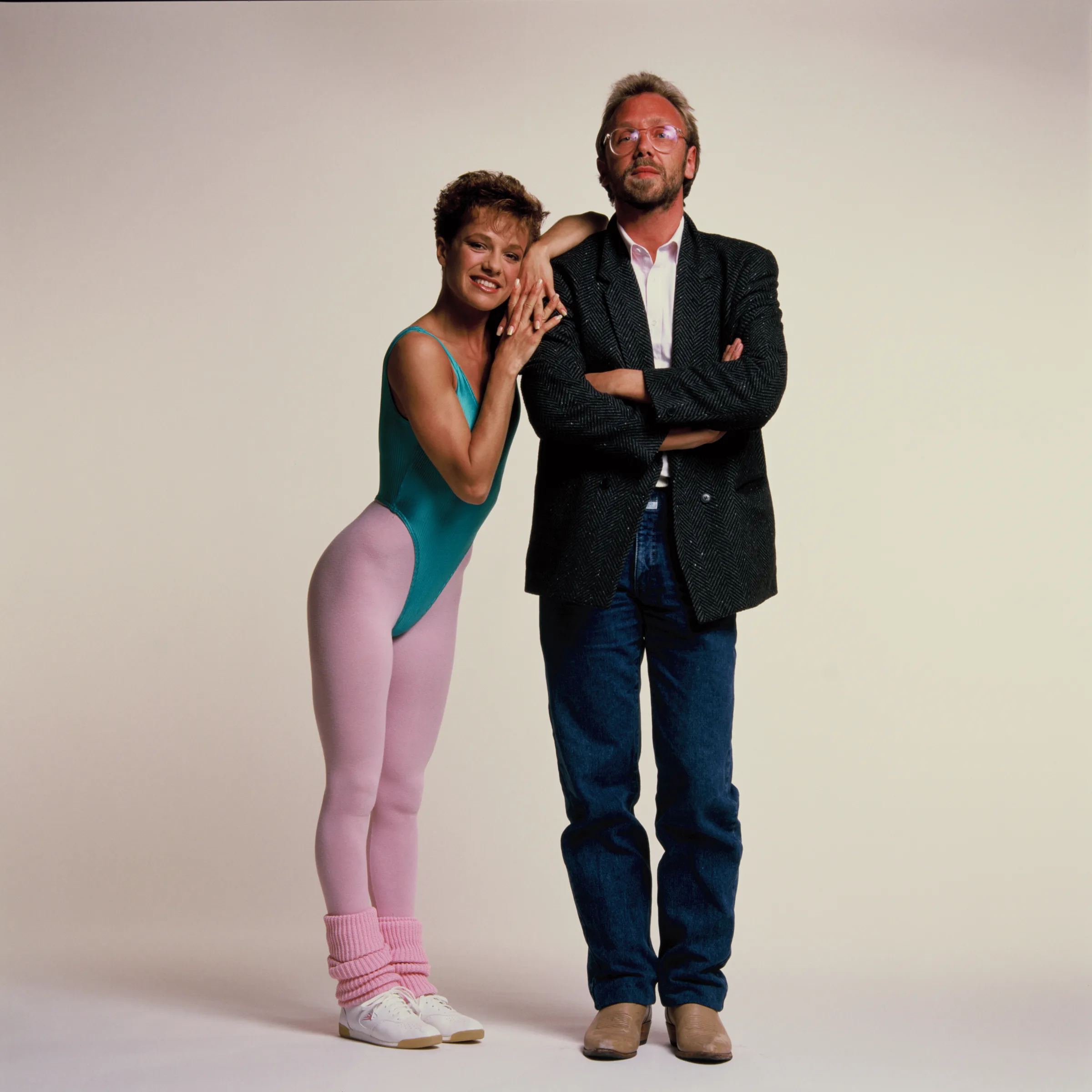
The 1980s: A Decade of Bold Fashion
The 1980s were a defining moment in fashion, film, and self-expression. Bold silhouettes, powerful femininity, and fearless design transformed both Hollywood and the fashion world, with Grace Jones emerging as a cultural icon who reshaped what confidence and individuality looked like on screen.
Grace Jones and A View to a Kill
One of the most unforgettable moments of that era came when Grace Jones appeared in the James Bond film A View to a Kill, wearing the now-iconic black leotard silhouette. This look embodied the bold energy shaping dancewear and active fashion throughout the decade, representing everything Dance France stood for: strength, movement, elegance, and unapologetic style.
Grace Jones was never simply following trends; she was creating them. Known for her avant-garde style, sculptural beauty, and commanding stage presence, she became one of the most influential fashion icons of the decade. Her ability to merge music, performance art, and high fashion made her a symbol of creative freedom and fearless individuality.
The Black Leotard as Cultural Symbol
The black leotard became one of the defining fashion symbols of the 1980s. Simple yet striking, it represented confidence, athleticism, dance culture, and feminine power all at once. What began in ballet studios and gymnastics environments quickly evolved into mainstream fashion, with women layering bodysuits and leotards into everyday looks that felt futuristic, expressive, and bold.
“The black leotard became a universal symbol during this period because it represented simplicity, power, and movement all at once.”
Dance France and the Movement Era
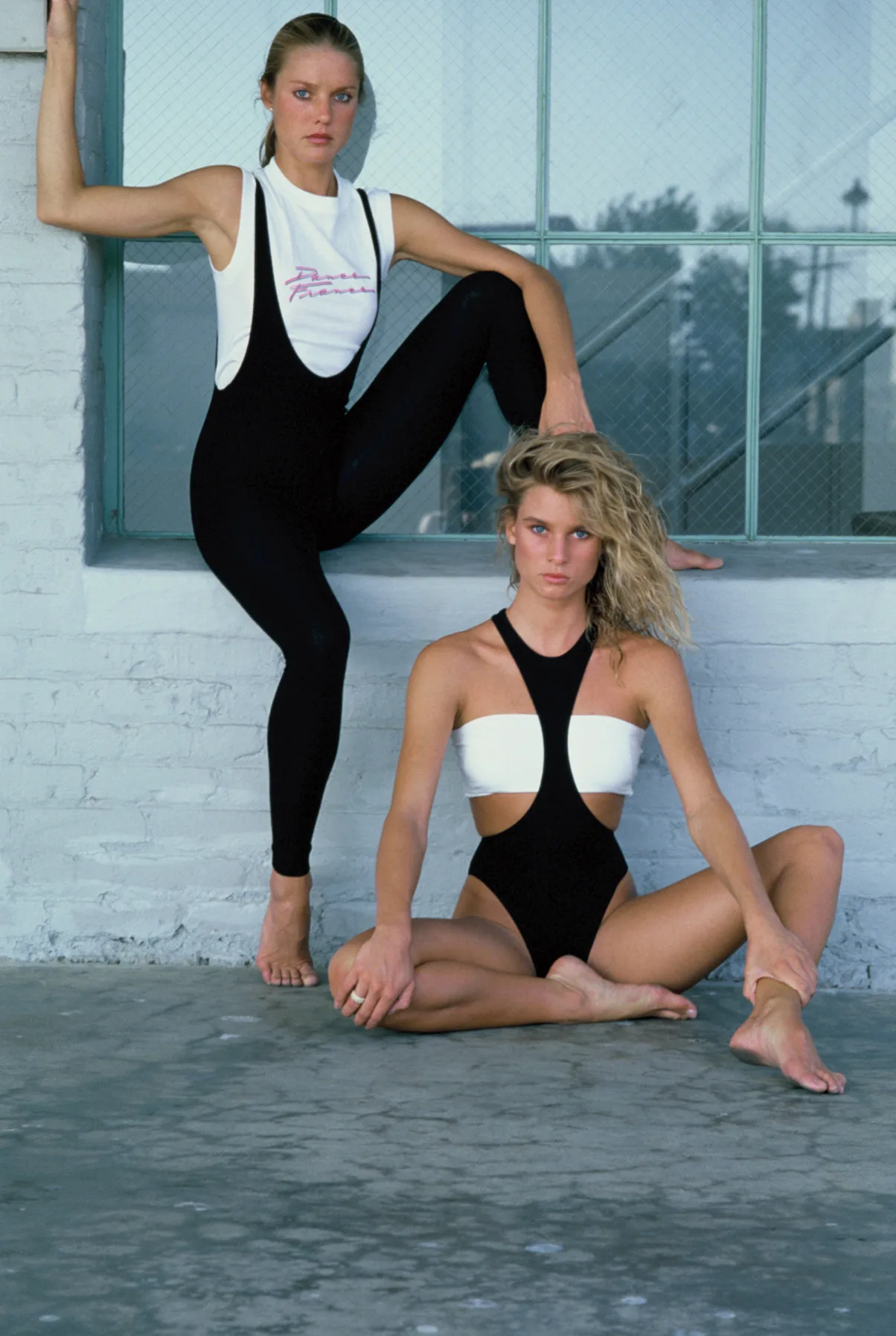
The sleek black leotard aesthetic aligned perfectly with the movement happening in dancewear and active fashion brands like Dance France. Throughout the 80s and 90s, the brand stood at the intersection of dance, fitness, ballet, Hollywood, and lifestyle fashion. Designs by François Geis captured the spirit of movement while introducing a refined, fashion-forward edge inspired by European dancewear and California creativity.
A Timeless Legacy
Even decades later, the black leotard remains timeless. Modern activewear, bodysuits, and athleisure still draw inspiration from the same clean lines and body-focused silhouettes that defined the 80s. Grace Jones' unforgettable presence in A View to a Kill serves as a reminder of how powerful simplicity can be, and how movement-inspired fashion became one of the most influential visual languages of the era.
As Dance France returns for a new generation, the inspiration behind those iconic moments continues to influence the brand's future. From vintage bodysuits to remastered silhouettes, the goal remains the same: to celebrate movement, confidence, individuality, and timeless design.
Gallery